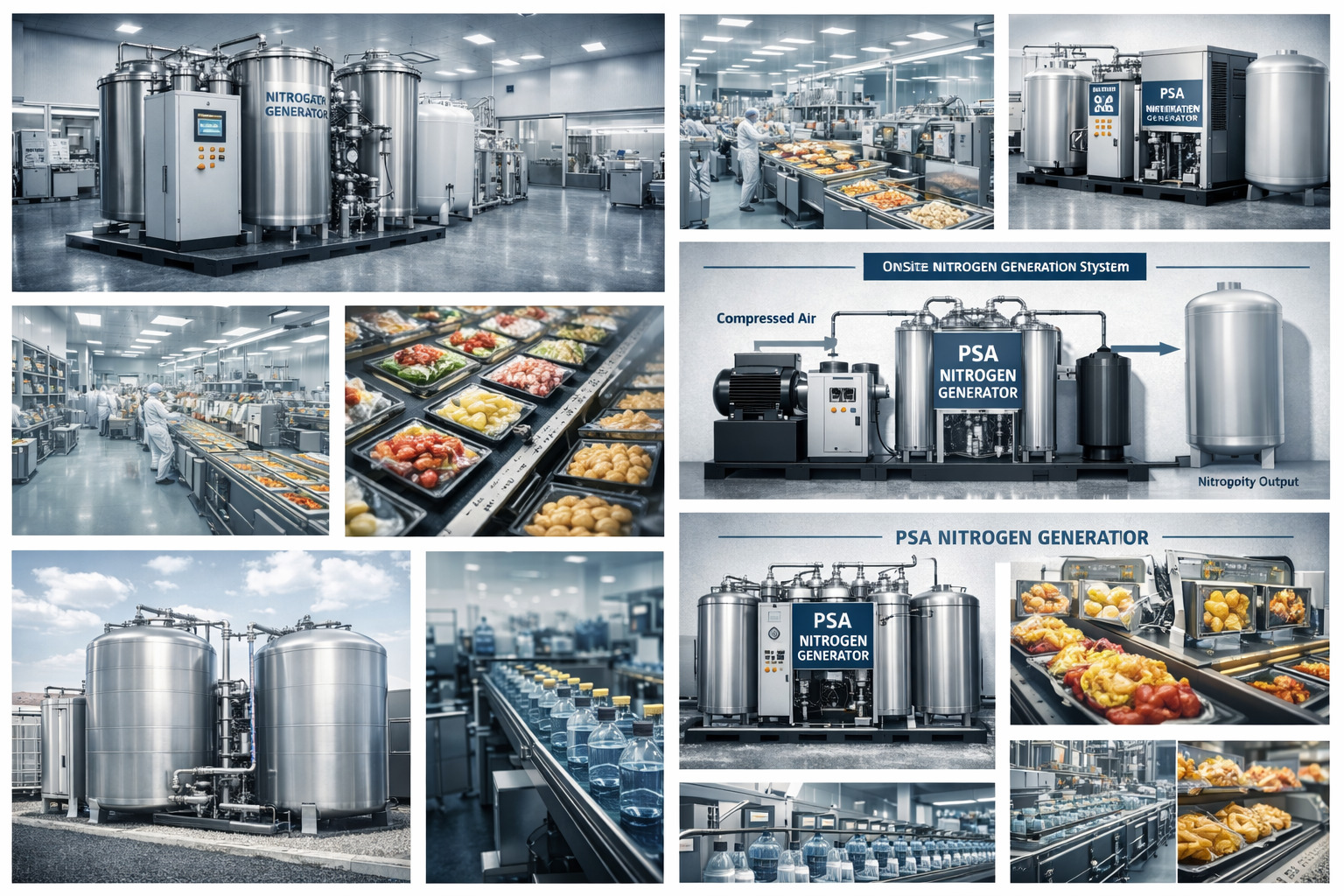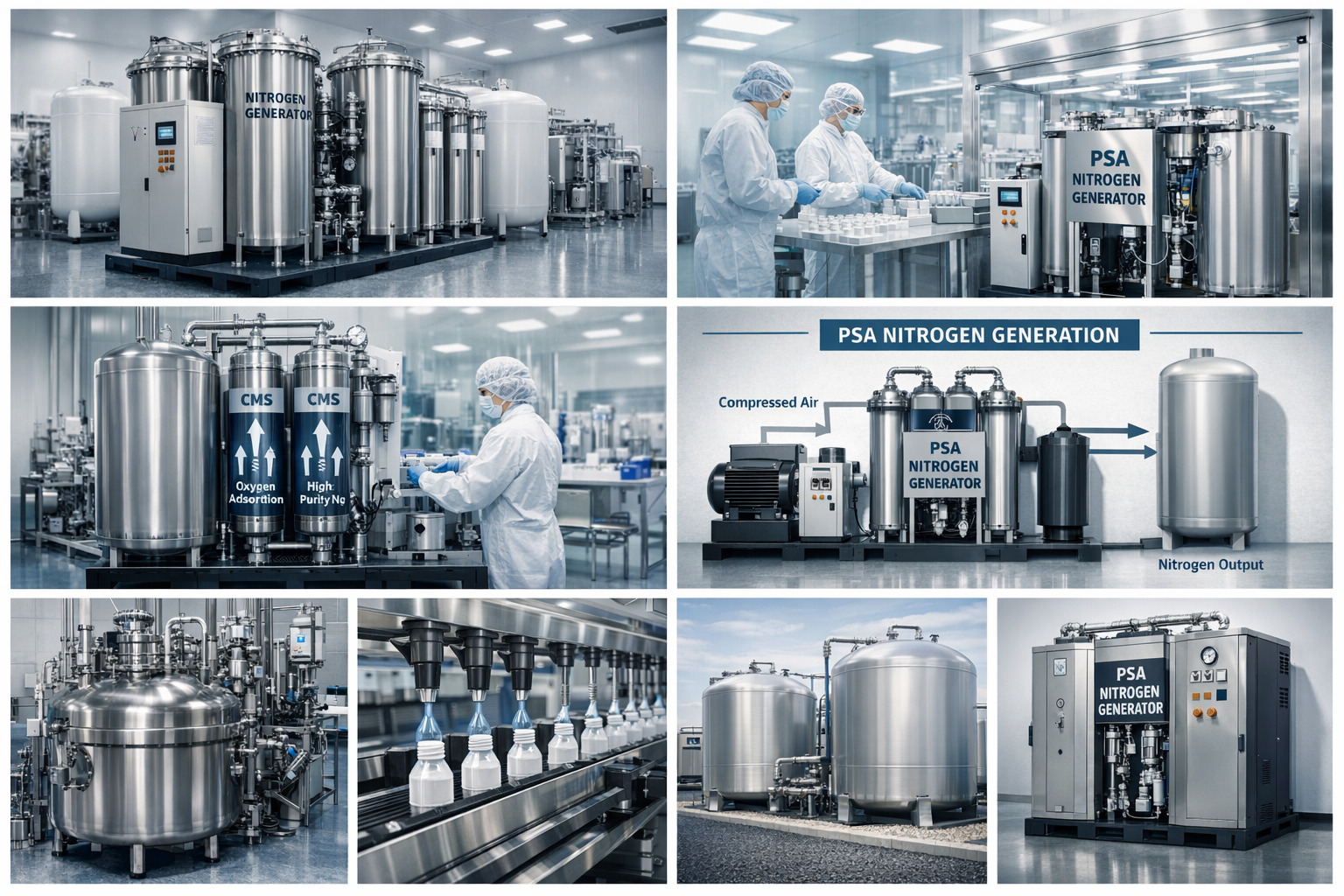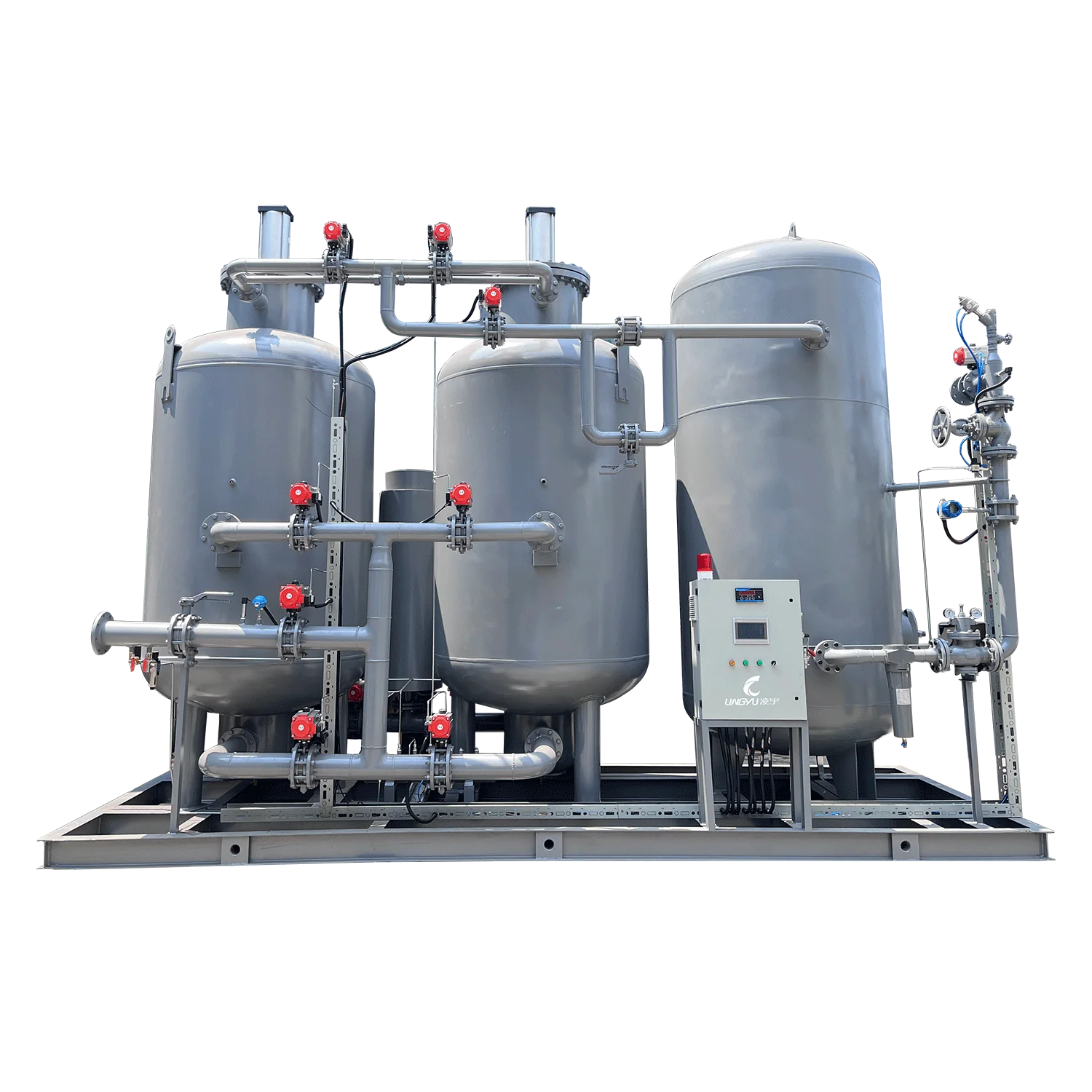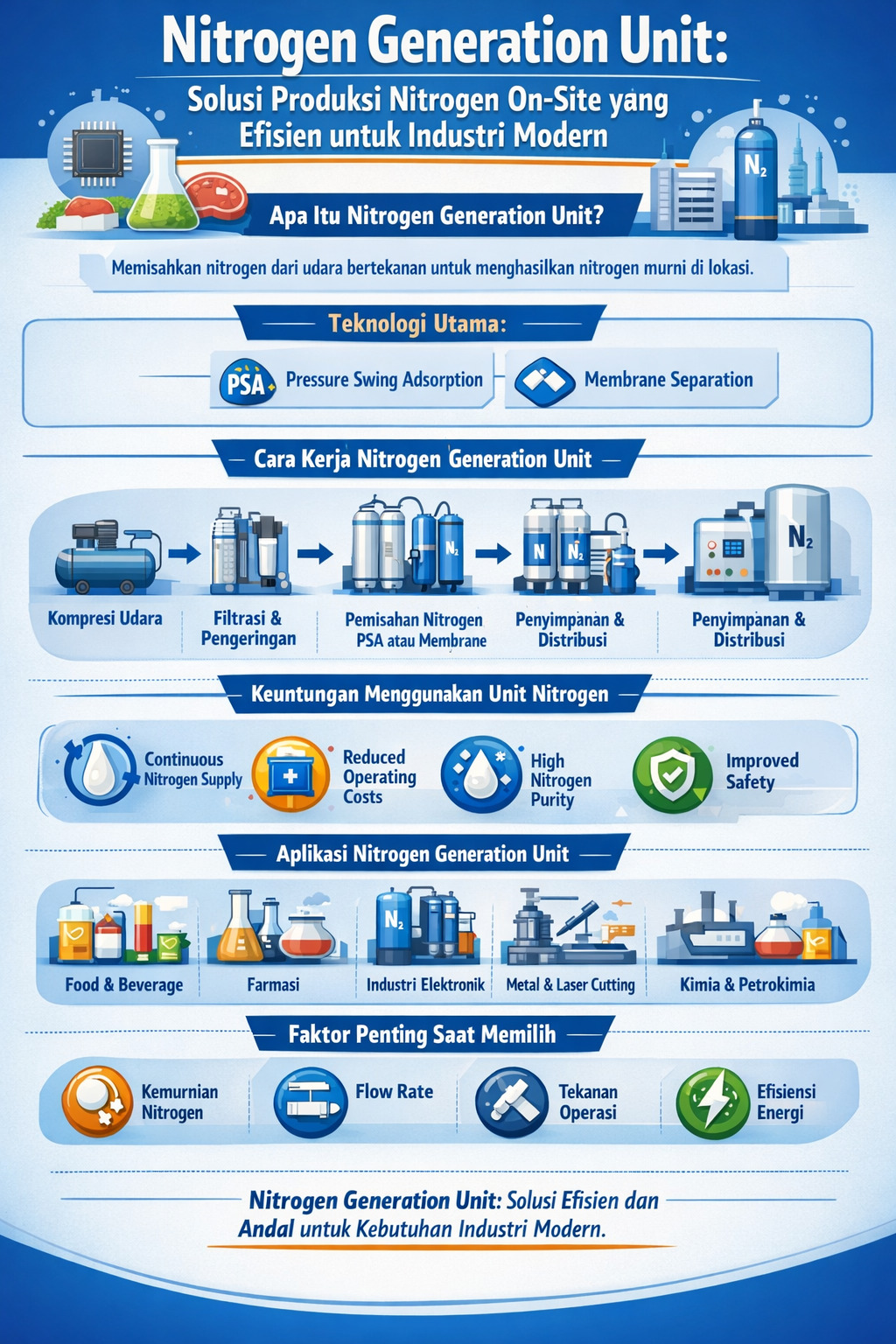
The desiccant for air dryer is a critical component in compressed air systems, designed to remove moisture efficiently and ensure consistently dry air. By eliminating water vapor, it protects sensitive equipment, maintains system efficiency, and guarantees reliable operation across industrial environments.
Whether your air dryer is heatless, heated, or blower purge, the quality of the desiccant directly impacts drying efficiency, energy consumption, and maintenance frequency.

Key Features of Desiccant for Air Dryer
✅ High Moisture Adsorption Capacity – Achieves dew points as low as -40°C to -70°C for ultra-dry air.
✅ Low Dust & High Mechanical Strength – Minimizes abrasion and dust generation, ensuring cleaner system operation and longer filter life.
✅ Long Lifespan & Thermal Stability – Withstands multiple regeneration cycles while maintaining structure and efficiency.
✅ Compatible with Major Brands – Standard sizes fit most industrial compressed air dryers.
✅ Environmentally Safe & Non-Toxic – Free from heavy metals or hazardous chemicals, safe for handling and disposal.
Operating Conditions & Technical Requirements
| Parameter | Specification |
|---|---|
| Working Pressure | 4–10 bar (58–145 psi) |
| Inlet Air Temperature | ≤50°C (122°F) |
| Regeneration Temperature | Up to 200°C (392°F), depending on dryer type |
| Operating Dew Point | As low as -70°C |
| Relative Humidity Tolerance | 5% – 100% |
Suitable for continuous, cyclic, or seasonal operations, our desiccant delivers reliable performance under varied conditions.
Technical Specifications
| Parameter | Activated Alumina | Molecular Sieve | Silica Gel |
|---|---|---|---|
| Shape | Spherical Beads | Spherical Beads | Granular |
| Size (mm) | 3 – 5 | 1.5 – 2.5 | 2 – 5 |
| Bulk Density (g/cm³) | 0.70 – 0.75 | 0.65 – 0.72 | 0.60 – 0.70 |
| Crush Strength (N) | ≥ 120 | ≥ 100 | ≥ 80 |
| Regeneration Temperature | 150–200°C | 130–180°C | 120–150°C |
| Water Adsorption (%) | ≥ 18% | ≥ 20% | ≥ 35% (by wt.) |
All desiccants are tested for purity, strength, and moisture performance before packaging.
Applications of Desiccant for Air Dryer
The desiccant is widely used wherever moisture-free compressed air is critical:
💊 Pharmaceuticals – Prevents contamination in production and packaging lines.
🥫 Food & Beverage – Maintains hygiene and prevents spoilage.
📱 Electronics Manufacturing – Protects sensitive components from corrosion and short circuits.
🚗 Automotive – Ensures dry air for painting and pneumatic systems.
🛢️ Oil & Gas – Prevents pipeline corrosion and hydrate formation.
🏭 General Industrial Use – Improves pneumatic tool efficiency and extends equipment life.
Using high-quality desiccant reduces downtime, lowers maintenance costs, and ensures uninterrupted operations.
Frequently Asked Questions (FAQ)
Q1: How often should I replace desiccant?
A: Typically every 1–2 years, depending on usage, environment, and regeneration efficiency.
Q2: Which type of desiccant is best for my application?
A: Activated alumina is versatile; molecular sieves are ideal for ultra-low dew points; silica gel suits moderate humidity.
Q3: Can desiccant be reused after saturation?
A: Yes, most desiccants are regenerable using heat. Follow your air dryer’s specifications.
Q4: Is this desiccant compatible with branded dryers?
A: Yes, compatible with brands like Atlas Copco, Kaeser, Sullair, Ingersoll Rand, and more.
Q5: What packaging options are available?
A: 25kg bags, jumbo bags, or custom packaging to meet your needs.
Why Choose Our Desiccant for Air Dryer?
🔬 Precision Manufacturing – High-purity materials and consistent bead size.
🌍 Global Distribution – Reliable delivery to over 60 countries.
🏭 OEM & ODM Support – Custom labeling and size options available.
💬 Expert Support – Free technical consultation and guidance.
🧪 Free Sample Available – Test performance before purchase.
Call to Action
Ensure your compressed air system delivers clean, dry air consistently.
📩 Contact us today for a free quote or to request a sample of our high-performance desiccant for air dryer.